Commercial Waste in Hayes for businesses that need regular, compliant clearance
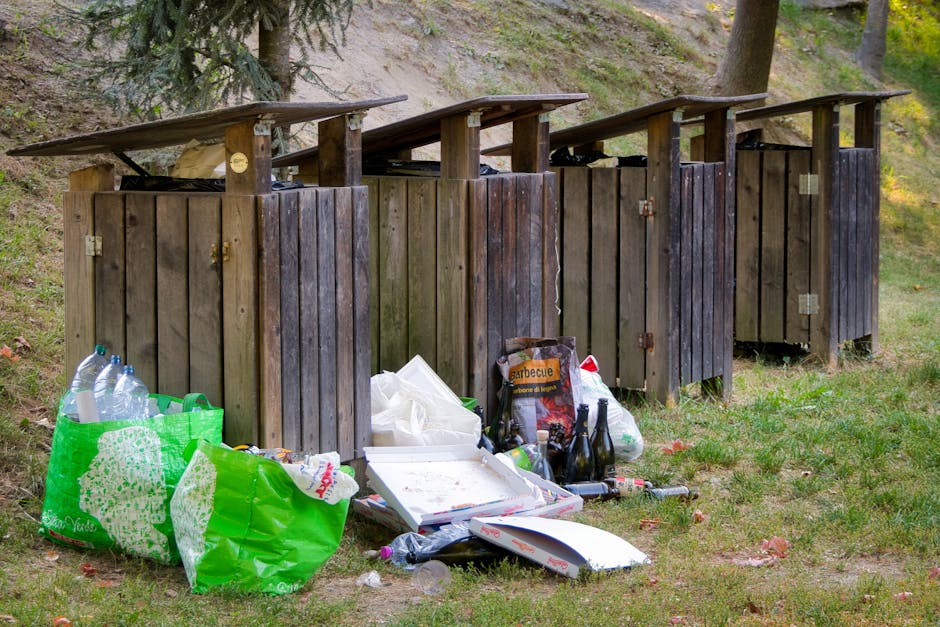
Commercial waste in Hayes needs a service that keeps premises clear, handles mixed loads sensibly and supports day-to-day operations without turning waste into a distraction. We deal with business rubbish from shops, offices, hospitality sites, workshops and managed buildings, with removal arranged around practical access and the type of material being cleared. The aim is straightforward: collect the waste, separate what can be recovered and move it through the right route, so your site is left ready for the next working day.
Our business waste removal service is built for recurring or one-off collections where ordinary refuse collections are not enough. That can include bagged waste, packaging, office clutter, light fixtures, broken furniture and other non-hazardous commercial items. We also support larger clearances where several waste streams are mixed together, helping you keep control of storage areas, back rooms and loading points without creating unnecessary disruption.
For organisations comparing options, the next step is often to look at what needs removing, how often it builds up and whether the clearance is best split into separate visits or handled in one go. Pricing and quotes are usually easier to prepare when the waste type, volume and access details are clear, so a short written request can save time later. If you already know the main items, you can send those details and ask for a quotation.
Commercial collections for offices, shops and shared premises
Every business produces waste in a slightly different way. An office may need old paperwork, packaging, broken desks and redundant IT items taken away, while a retail unit may be dealing with stockroom overspill, display materials or mixed refuse from refits and seasonal changes. We keep the service focused on practical clearance rather than generic uplift, so the load can be handled in a way that suits the premises and the materials involved.
When the waste comes from a managed building or a multi-occupancy site, the key decision is often how to separate different streams without leaving them in the way of staff or visitors. A sensible clearance plan can reduce time spent moving items between floors, corridors and service yards. For sites with paper-heavy waste, our confidential shredding page is useful if documents need secure destruction as part of the wider clearance.
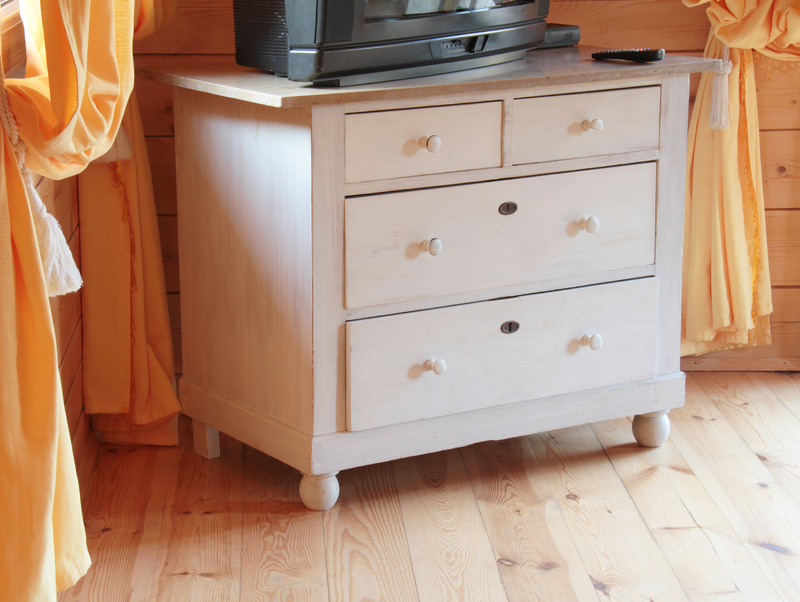
Typical commercial waste work can include a mixture of items such as broken shelving, empty cartons, redundant files, worn-out chairs and small electricals. It is not always necessary to treat every item as a separate job, but it does help to group materials that need different handling. Clear separation at source can make the collection simpler and can also reduce the chances of recoverable materials being mixed with general rubbish.
What we remove from business premises
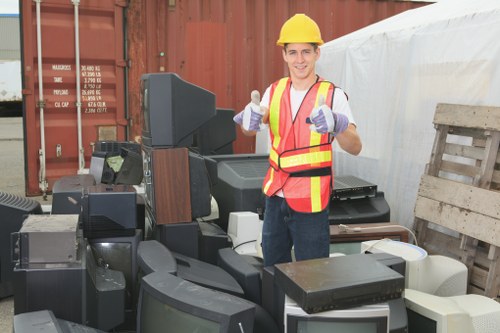
Commercial waste removals are often broader than ordinary household clearances because the load reflects the way the premises are used. We can remove many common non-hazardous business items, including packaging, bagged refuse, office furniture, shelving, fixtures, stockroom contents and mixed light waste from closures or reorganisations. The service is intended for practical clearance of items that are ready to leave the site, rather than for controlled substances or specialist regulated waste streams.
If the work involves bulky office items, the office clearance page covers spaces where desks, chairs, cabinets and general workplace clutter need to be removed together. For shops and customer-facing premises, the load may be less uniform and more seasonal, with cardboard, display units and back-of-house waste added to standard refuse. In those cases, the collection can be planned around access routes and the amount of lifting needed inside the building.
Some business waste is better handled as a grouped task rather than one item at a time. A list can help when you are preparing a request:
- broken office furniture and storage units
- cardboard, packaging and mixed recyclable material
- bags of non-hazardous general waste
- redundant stockroom or storeroom items
- light fixtures, fittings and other non-specialist debris
Planning access, timings and removal methods
Good commercial waste work depends on access as much as on volume. Stairwells, narrow corridors, loading bays, lifts and shared entrances can all affect how a clearance is carried out. Where possible, it helps to know whether items are on upper floors, in the basement, behind counters or stacked in external yards. That information allows the removal to be matched to the site rather than forcing the site to adapt to the clearance.
Another useful point is whether the waste is ready for loading or still needs to be moved from several parts of the premises. If the load is spread across different rooms, a staged approach can be more efficient than trying to clear everything in one short sweep. The about us page gives a broader picture of the business, while the clearance itself stays focused on the items, the route and the practical end result.
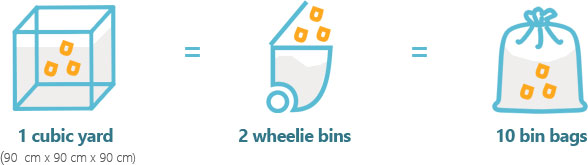
When arranging a quote, two things usually make the biggest difference: the approximate volume and the type of waste. You do not need to produce a perfect inventory, but a clear description of the main categories is helpful. Mixed loads can still be quoted for, provided the likely contents are described honestly and any awkward access is mentioned at the same time.
Handling mixed loads and separating recoverable material
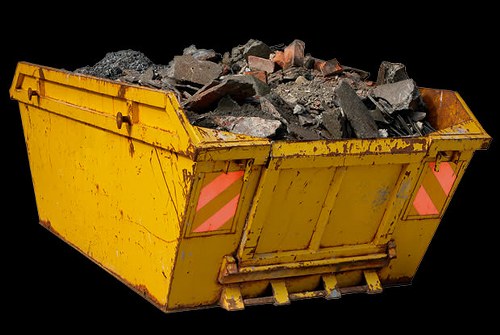
Commercial waste often arrives as a mixed load, particularly after a refurbishment, stock change, relocation or routine clear-out. Instead of treating every item as identical, we aim to sort material sensibly so that recyclable material and general refuse are not handled in the same way unless they need to be. That approach helps make the process more orderly and supports better disposal decisions for the collected load.
In many business settings, cardboard, clean plastics, metal shelving, office paper and wooden components can be grouped separately from ordinary waste where this is practical. The recycling and sustainability page is relevant if you want to understand the recovery side of the service and the kinds of material that are typically worth separating before collection. This is especially useful when the waste is being cleared in stages over several days or by different teams.
Not every load can be broken down neatly on site, and that is one reason why a flexible removal service is useful. A small amount of sorting beforehand can make collection easier, but the main goal remains the same: remove the waste from the premises, keep the process orderly and prevent cleared areas from becoming blocked again. If the materials include items that need specialist handling, it is better to identify them in advance than to leave them mixed into the general load.
Pricing factors for commercial waste clearance
Commercial waste pricing normally depends on practical factors rather than a single fixed rule. The size of the load, the type of items, how the waste is spread through the premises and how straightforward the access is will all affect the quote. A ground-floor load that is already grouped together is different from a clearance that involves several flights of stairs, awkward parking or heavy items that need moving from more than one room.
The service is also shaped by what is being removed. Office paper, packaging and general refuse are handled differently from bulkier furniture or unusual materials, and that distinction matters when preparing the quotation. If your business also needs periodic external clearances, the waste removal page is a useful general reference for broader non-domestic collections where the contents may change from one visit to the next.
It is sensible to think about quotations in terms of clarity rather than precision. An accurate description of the waste stream, the approximate quantity and any loading restrictions usually matters more than a long explanation. If the clearance includes several categories of item, listing them in simple terms is usually enough to begin. That keeps the enquiry readable and allows the response to reflect the actual work rather than a vague estimate.
Commercial locations, outside areas and associated clearances
 Some commercial waste jobs are not confined to a single room. Stores, rear yards, access lanes, plant rooms, staff areas and bin stores can all accumulate items that need to go together. Where the waste sits outside the main building, the key issue is often how easy it is to reach without disturbing customers, deliveries or neighbouring premises. A clear route and an organised pile can make a noticeable difference to how the collection is carried out.
Where external waste includes garden debris from business grounds, the garden clearance page may be relevant for leaves, branches, soil-filled bags and similar materials from managed outdoor areas. For workshop or storage settings with larger redundant pieces, the nature of the load may overlap with furniture or general clearance work, so it helps to identify the main item group rather than assuming it all falls into one category. The right page depends on the main waste type, not the building label.
Some sites also need items moved from one part of the premises to another before collection can happen. In those cases, it is useful to know whether the waste is on upper floors, in secured rooms or behind equipment that must stay in place. The more clearly the site is described, the easier it is to plan a removal that keeps disruption to a minimum while still getting the waste away efficiently.
About Hayes
Hayes is a west London town within the London Borough of Hillingdon, positioned near the western edge of the capital and shaped by long-running links between settlement, transport and industry. The name is often associated with the Grand Union Canal, the local railway corridor and the later growth of manufacturing and warehousing, all of which influenced the layout of the town. Much of Hayes developed through the nineteenth and twentieth centuries as fields, small hamlets and estate land gave way to denser housing and employment areas. The town’s history is also tied to aviation and engineering, with the surrounding district becoming known for industrial activity during the twentieth century. Today Hayes presents a layered urban character rather than a single historic core: older street patterns, post-war estates, retail frontages and business areas sit alongside one another. Green spaces such as Barra Hall Park and the canal corridor provide a contrast to the commercial and residential streets, while the town centre and nearby districts reflect the changing role of west London suburbs over time. Hayes is also notable for its proximity to Heathrow and for the way transport routes have shaped movement through the area, from road and rail connections to waterways that once served goods traffic. This mix of industry, infrastructure and suburban growth gives the town a varied local identity that can still be read in its buildings, open spaces and street plan.
Housekeeping waste, bulky items and end-of-use clearances
Commercial premises do not only generate office rubbish. Shops, hospitality sites, clinics, storage spaces and smaller workplaces can also build up bulky items that are no longer needed. That may include worn furniture, shelving, display units, mattresses from accommodation use, or old appliances that have reached the end of their service life. Furniture disposal and the related mattress and sofa disposal pages cover situations where bulky items form a noticeable part of the clearance.
For premises that are closing, relocating or being reorganised, it is often better to deal with the bulk of the load in a planned sequence rather than delaying until everything has piled up. The flat clearance and home clearance pages are also available for domestic-type properties, but commercial sites usually need a different approach because of access, mixed contents and the need to keep business areas workable while items are being removed.
Where there are appliances among the load, it helps to identify them separately so they can be handled in the right way. Heavy or awkward items are normally most efficient when they are gathered together and lifted as a defined group. Bulky clearances are often less about the number of objects and more about how they affect the space and the route through it, so a well-described enquiry makes a practical difference.
Special items, safety and disposal limits
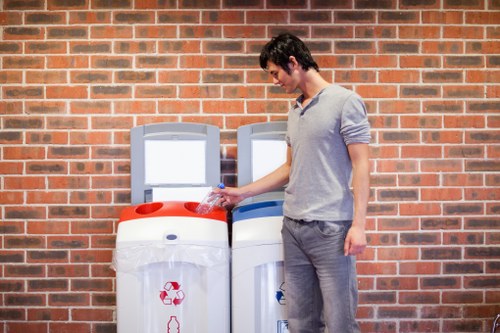
Some commercial waste requires more care than standard mixed rubbish. Not every item can be handled in the same way, especially where the contents include sharp edges, liquids, appliances, or materials with special disposal requirements. In those cases, the most useful first step is to identify what the load contains so the clearance can be planned properly and any unsuitable material can be excluded from the general waste stream.
Where a business has questions about regulated or unusual materials, the hazardous waste disposal page is the appropriate place to check whether a particular item needs specialist handling. We also keep an insurance and safety page available for customers who want to review how safety considerations are treated in the wider service. Those pages are helpful when a job is not just a standard office or shop clear-out.
If you are preparing to request a quotation, a short summary of the waste and the site conditions is usually enough to begin. Let us know what is being removed, whether the load is mixed or separated, and whether access is straightforward or limited. For the final step, simply use the contact us page and ask for a commercial waste quotation.
Choosing the right clearance for your premises
Many business customers compare several types of removal before choosing the one that fits best. The right option depends on whether the waste is general, bulky, confidential, appliance-related or part of a larger site clearance. Our role is to match the service to the actual load rather than forcing the load into a broad category that does not reflect the work involved. That keeps the collection practical and helps the quotation stay relevant.
Related pages can be useful when the commercial waste is linked to a particular kind of item or room. For example, the garage clearance and loft clearance pages cover storage-heavy clearances, while builders waste clearance is better suited to refurbishment debris, broken offcuts and leftover site material. If the waste is primarily office-based, the office clearance page remains the best fit for desks, chairs and workplace furnishings.
Whatever the mix, the aim is the same: remove unwanted commercial waste cleanly, keep the job organised and leave the space usable again. If you already have a rough list, send it through and ask for a quote. Book online if you want to start the request process now.